A Beginner’s Guide to Effective Fitness Routines at Home


Understanding the Basics
Starting a fitness routine at home can be both exciting and challenging. The key is to find a balance that suits your lifestyle and fitness level. The first step is understanding your fitness goals. Whether it's losing weight, building muscle, or improving endurance, having a clear goal will guide your routine.
It's important to set realistic expectations. Begin with manageable workouts and gradually increase intensity. This approach helps prevent burnout and reduces the risk of injury.
Creating a Routine
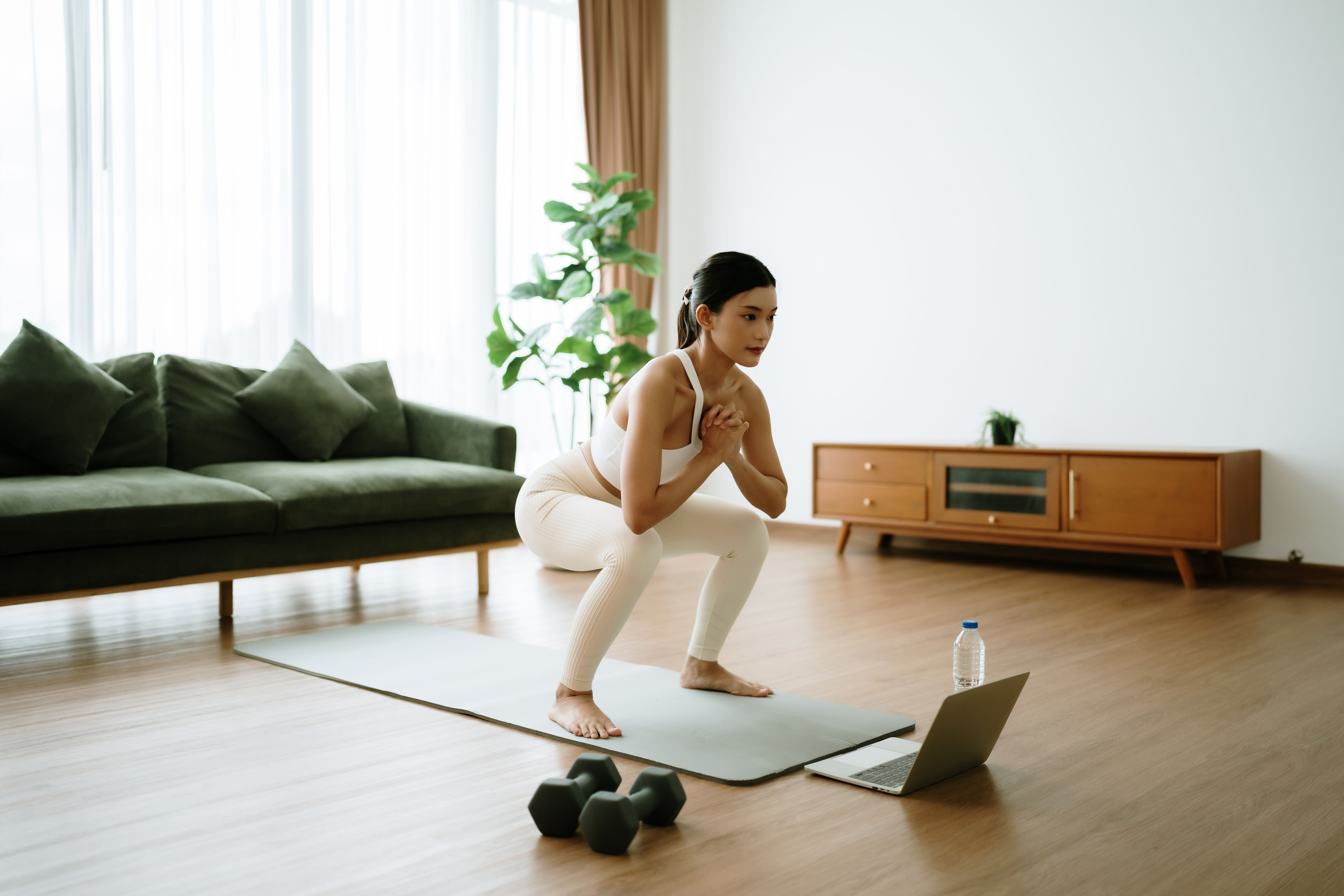
Designing an effective fitness routine involves a mix of cardio, strength training, and flexibility exercises. A balanced regimen ensures comprehensive fitness gains and keeps you motivated.
Cardio exercises like jumping jacks, running in place, or dancing can get your heart rate up. Strength training can include bodyweight exercises such as push-ups, squats, and lunges. Don’t forget to incorporate stretching to enhance flexibility and prevent injuries.
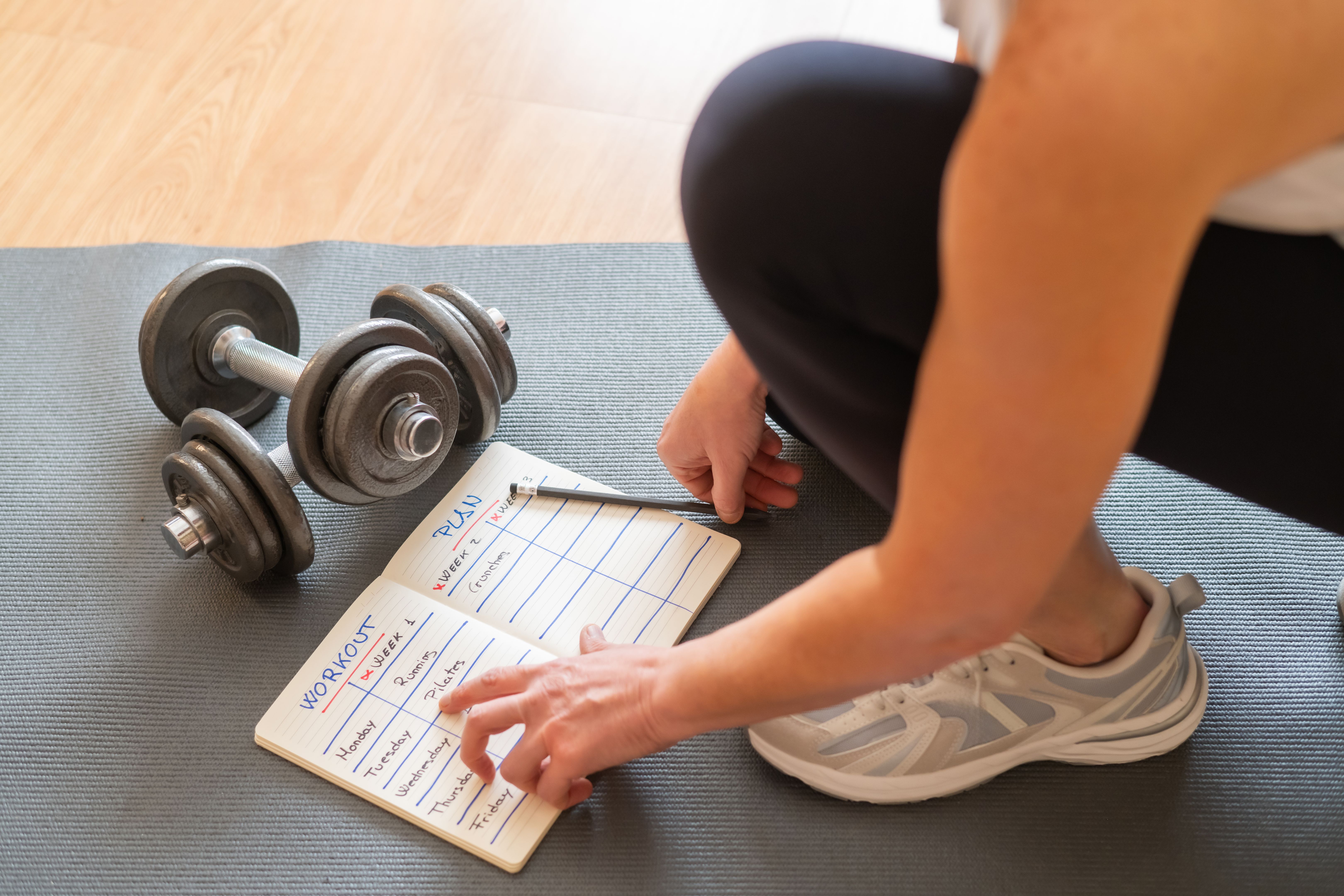
Sample Weekly Schedule
- Monday: Cardio and Core
- Tuesday: Upper Body Strength
- Wednesday: Rest or Light Yoga
- Thursday: Lower Body Strength
- Friday: Cardio and Flexibility
- Saturday: Full Body Workout
- Sunday: Rest
Utilizing Available Resources
One of the advantages of home workouts is the availability of numerous resources. Online platforms offer a variety of workout videos catering to different fitness levels and preferences. Additionally, fitness apps can provide personalized training plans and track progress.
Investing in basic equipment like dumbbells, resistance bands, or yoga mats can enhance your workouts. However, many effective exercises require no equipment at all.
Staying Motivated
Maintaining motivation is often the biggest hurdle in a home workout routine. Setting short-term milestones can provide a sense of achievement and keep you engaged. Celebrate each accomplishment, no matter how small.

Consider finding a workout buddy or joining online fitness communities to share experiences and encouragement. Accountability can significantly boost commitment and enjoyment.
Tracking Your Progress
Tracking progress is essential for staying motivated and ensuring your routine remains effective. Keep a log of your workouts, including sets, reps, and any changes in weight or duration. This habit will help you identify patterns and areas for improvement.
Regularly reassess your goals and adjust your routine as needed. As you progress, you may find that your initial exercises become too easy, indicating it's time to increase intensity.

Conclusion
Establishing a fitness routine at home offers flexibility and the convenience to work out on your schedule. By understanding your goals, creating a balanced regimen, and staying motivated, you can achieve significant health benefits without stepping into a gym. Remember, the most important step is getting started!