Beginner’s Guide to Meditation: How to Get Started


Understanding Meditation
Meditation is a practice that has been embraced across various cultures and religions for thousands of years. It involves training the mind to focus and redirect thoughts, often leading to a more peaceful and calm state of being. While it may seem overwhelming at first, meditation is accessible to everyone and can be tailored to fit your lifestyle.
Many people turn to meditation for its numerous benefits, which include reducing stress, improving concentration, and enhancing self-awareness. If you're new to the practice, understanding these potential advantages can motivate you to get started.

Setting Up Your Meditation Space
Creating a designated space for meditation can help you establish a routine and make the practice more inviting. This area doesn’t need to be elaborate; a quiet corner of a room where you can sit comfortably is enough. Consider adding elements like a cushion, a small table, or a candle to personalize your space.
Ensure that your chosen area is free from distractions. Turn off electronic devices, and if possible, choose a time when the household is quiet. This will help you focus better and deepen your meditation practice.
Choosing a Time to Meditate
Finding the right time to meditate is crucial for building consistency. Some people prefer meditating in the morning to set a positive tone for the day, while others find evening meditation helps them unwind. Experiment with different times to discover what works best for you.
Basic Meditation Techniques
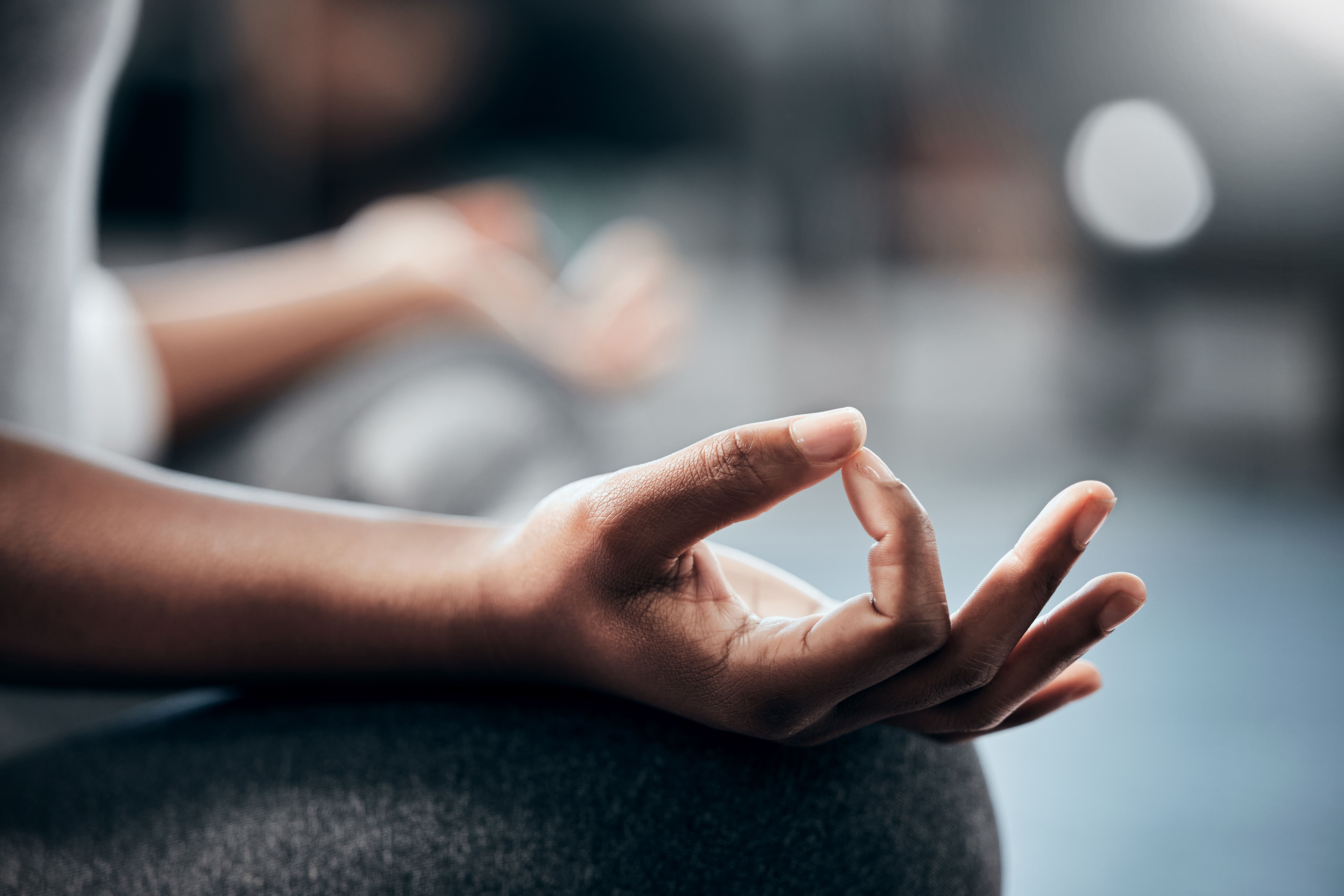
As a beginner, starting with simple techniques can make meditation more approachable. Here are a few methods to try:
- Mindfulness Meditation: Focus on your breath and observe your thoughts without judgment.
- Guided Meditation: Listen to a guided meditation recording to help maintain focus and relaxation.
- Body Scan: Pay attention to different parts of your body, releasing tension as you go.
These techniques are easy to practice and can be done for just a few minutes each day. As you become more comfortable, you can gradually increase the duration.
Overcoming Common Challenges
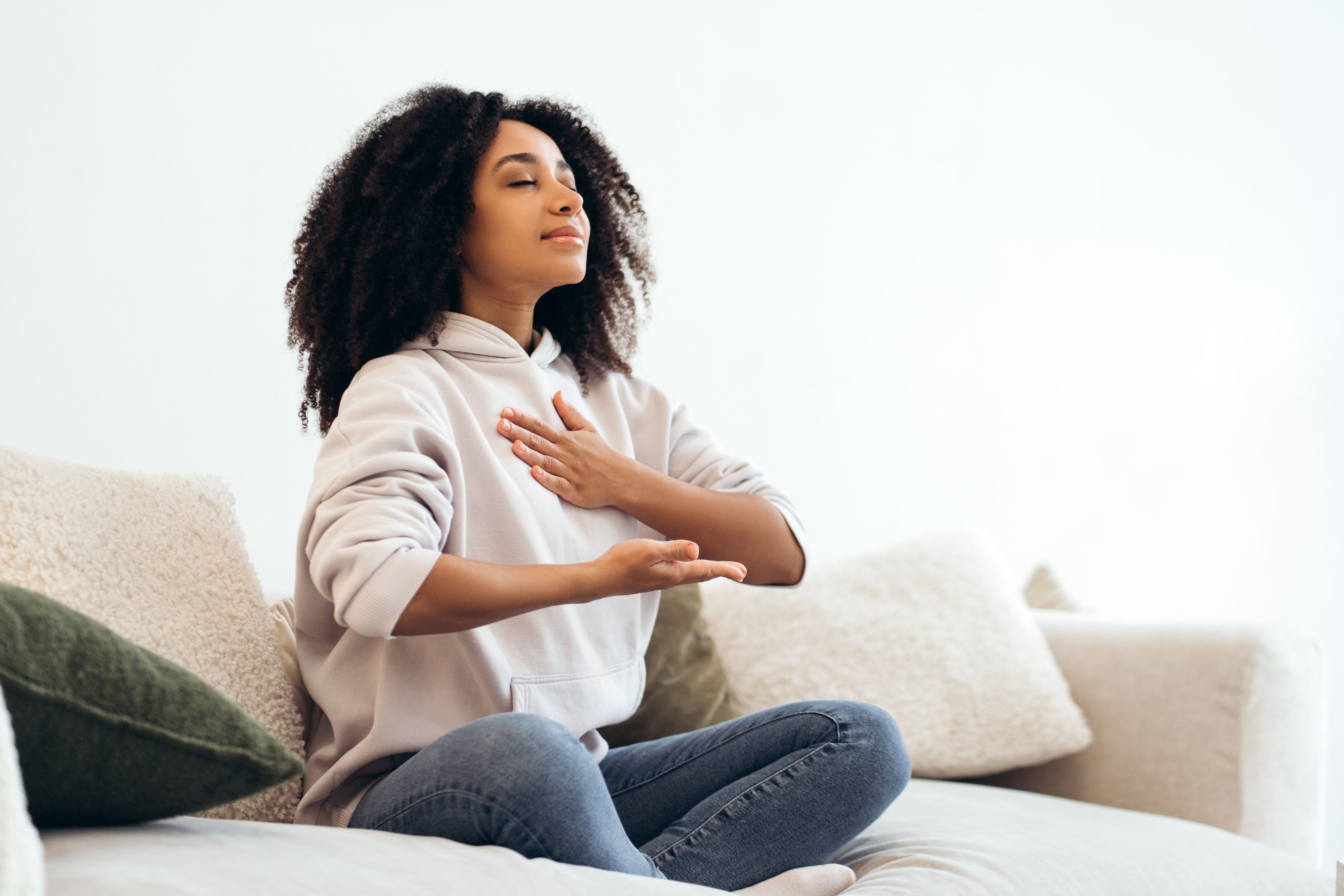
Many beginners face challenges such as restlessness, impatience, or doubt. It’s important to remember that these are normal and part of the learning process. When you encounter these obstacles, remind yourself of the benefits of meditation and the progress you’ve made.
Practice self-compassion and avoid judging your meditation sessions. Some days will be easier than others, and that’s perfectly fine. Consistency and patience are key to developing a successful meditation practice.
Tracking Your Progress
Keeping a meditation journal can be a helpful tool in your journey. Note how you feel before and after each session, any challenges you faced, and the techniques you used. Over time, you’ll be able to see patterns and identify what works best for you.
Starting a meditation practice is a personal journey with unique experiences and rewards. By taking small steps and being gentle with yourself, you can integrate meditation into your daily life and enjoy its transformative benefits.