Comparing Holistic Healing vs. Traditional Medicine: What You Need to Know


Understanding Holistic Healing
Holistic healing is a form of treatment that considers the whole person—body, mind, and spirit—in the quest for optimal health and wellness. This approach often integrates a variety of therapeutic practices to address the root causes of symptoms rather than just the symptoms themselves. Techniques used in holistic healing may include acupuncture, herbal medicine, meditation, and yoga.
One of the core principles of holistic healing is the belief that the body has an innate ability to heal itself. Practitioners often focus on lifestyle changes, stress reduction, and natural remedies to support this self-healing process.
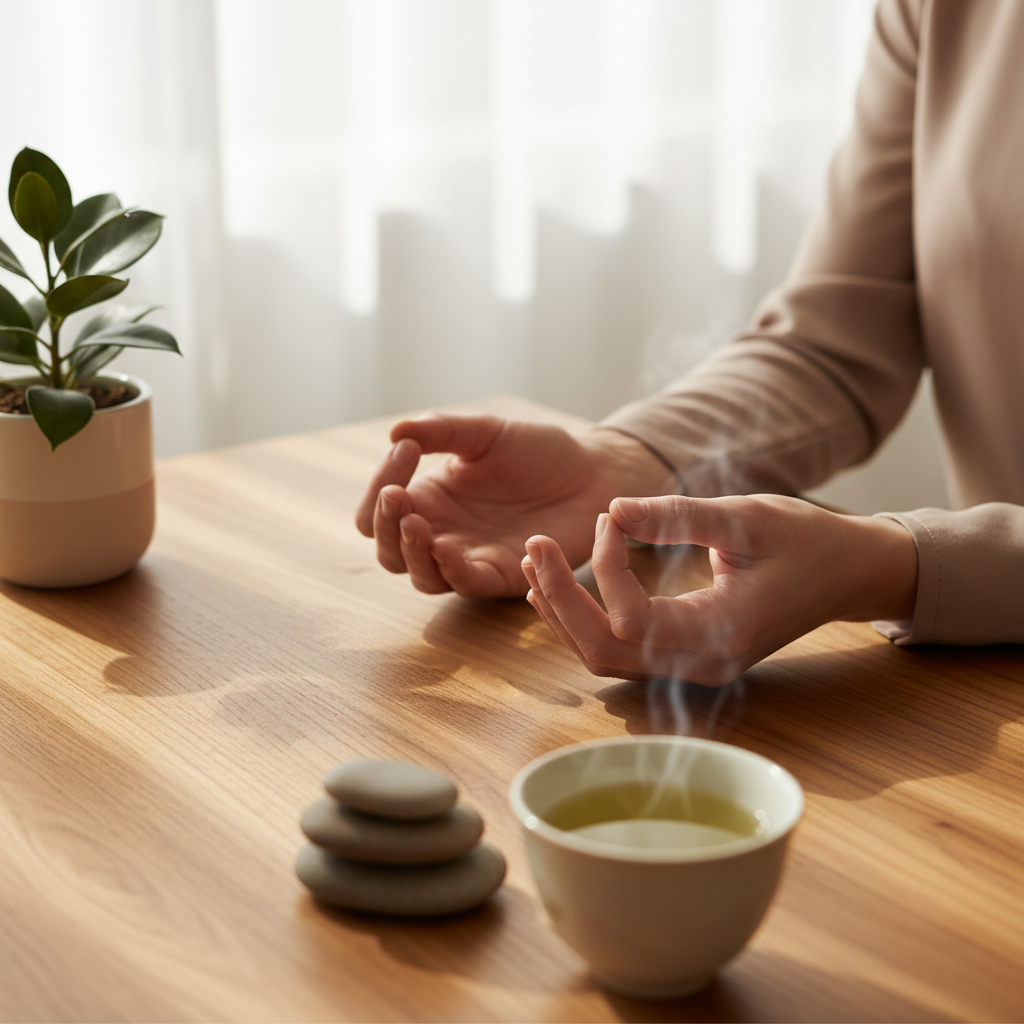
Holistic healing often emphasizes the importance of a balanced life. This includes proper nutrition, regular exercise, and a positive mental state. By addressing these aspects, individuals can often achieve a higher level of overall wellness.
Exploring Traditional Medicine
Traditional medicine, also known as conventional or Western medicine, is the mainstream healthcare approach in many countries. It focuses on diagnosing and treating diseases using scientifically tested methods. This often involves medications, surgeries, and other medical procedures.
A distinguishing feature of traditional medicine is its reliance on empirical evidence. Treatments and medications are subjected to rigorous testing in clinical trials to ensure their safety and effectiveness before they are approved for widespread use.

Traditional medicine has made significant advances in treating acute and life-threatening conditions. It excels in interventions such as emergency surgeries, advanced diagnostics, and infectious disease control.
Key Differences
When comparing holistic healing and traditional medicine, several key differences emerge:
- Approach: Holistic healing focuses on prevention and treating the whole person, whereas traditional medicine often treats specific diseases or symptoms.
- Treatment: Holistic practices may include natural remedies and lifestyle changes, while traditional medicine relies on pharmaceuticals and surgical interventions.
- Philosophy: Holistic healing emphasizes self-healing and balance, while traditional medicine is grounded in scientific research and evidence-based practice.
Both approaches have their strengths and limitations, and the choice often depends on the individual's needs and preferences.

Integrating Both Approaches
Many people find value in integrating both holistic and traditional medicine. This approach, known as integrative medicine, combines the strengths of both disciplines to provide more comprehensive care. For example, a patient undergoing chemotherapy might also engage in meditation and nutrition therapy to manage side effects and improve overall well-being.
Integrative medicine aims to enhance the effectiveness of treatment plans by using complementary therapies alongside conventional methods. This holistic approach can lead to improved patient satisfaction and better health outcomes.
Making an Informed Choice
Deciding between holistic healing and traditional medicine can be challenging. It's essential to consider your specific health needs, the nature of your condition, and your personal beliefs. Consulting with healthcare professionals from both fields can provide valuable insights and help you make a more informed decision.
Ultimately, the best approach is one that aligns with your values and provides the most benefit to your health and well-being.