Expert Insights: Common Misconceptions About Healthy Living


Introduction
In the quest for a healthier lifestyle, many people find themselves navigating a sea of information that can often be misleading. Misconceptions about healthy living are widespread, leading to confusion and sometimes counterproductive habits. In this post, we’ll explore some common misunderstandings and provide clarity with expert insights.

Myth 1: All Fat is Bad
The belief that all dietary fat is harmful has been a persistent myth. In reality, healthy fats are essential for our body. They support brain function, cell growth, and hormone production. Sources of healthy fats include avocados, nuts, and olive oil.
On the other hand, trans fats and excessive saturated fats should be minimized. Understanding the difference between these types of fats is crucial for maintaining a balanced diet.
Myth 2: Carbs Are the Enemy
Carbohydrates often get a bad rap, especially with the popularity of low-carb diets. However, not all carbs are created equal. Whole grains, fruits, and vegetables are rich in complex carbohydrates that provide energy and essential nutrients.
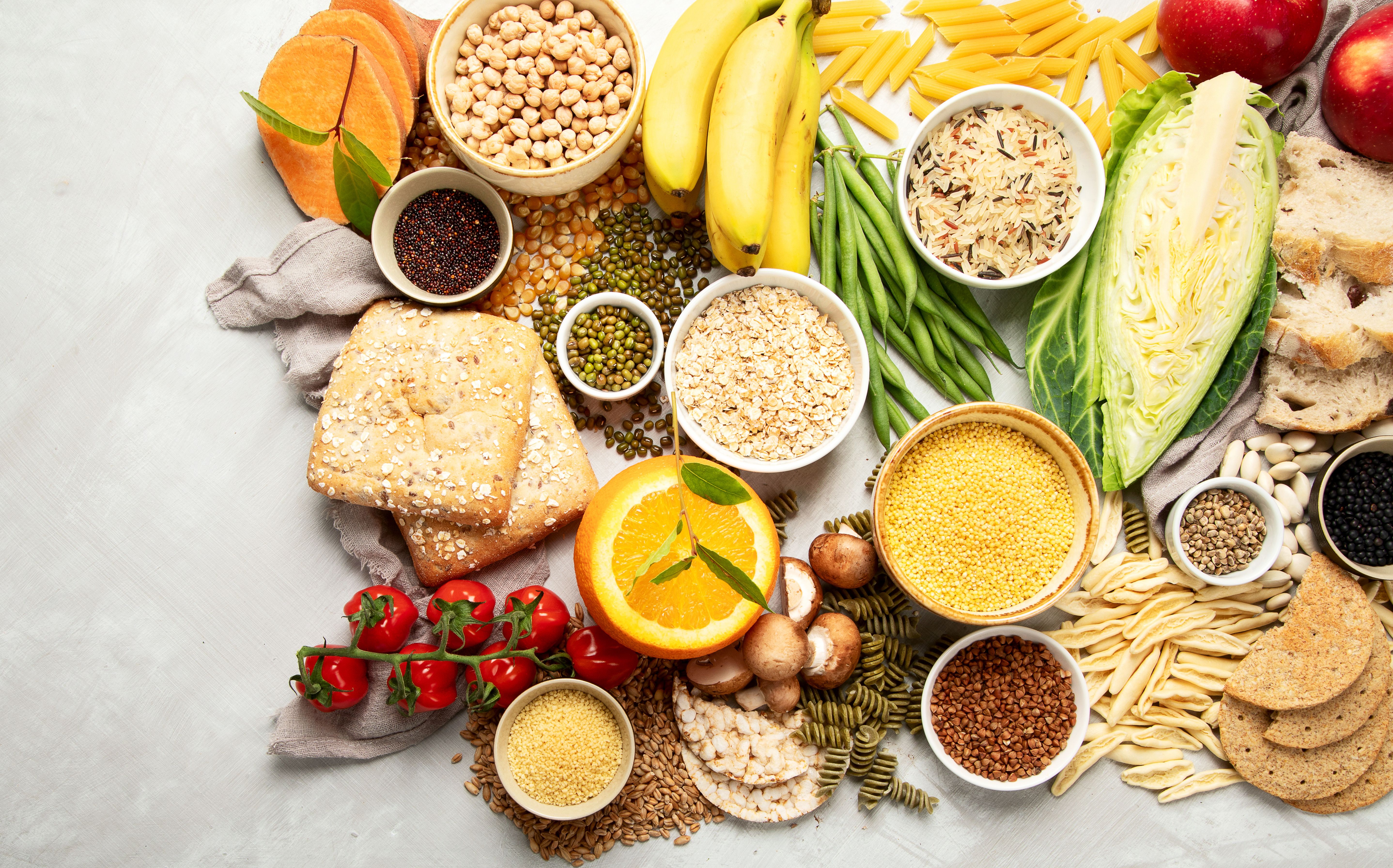
It's important to distinguish these from refined carbs found in sugary snacks and white bread, which can lead to weight gain and health issues when consumed in excess.
Myth 3: More Exercise is Always Better
While regular exercise is a cornerstone of healthy living, more isn't always better. Over-exercising can lead to injuries, fatigue, and burnout. It's vital to find a balance that includes rest days to allow your body to recover and grow stronger.
A well-rounded fitness routine should include a mix of cardiovascular, strength, and flexibility exercises. Listening to your body and understanding its limits is key to sustainable fitness.

Myth 4: Supplements Can Replace a Healthy Diet
Supplements can play a role in addressing specific nutritional deficiencies, but they are not a substitute for a varied and balanced diet. Whole foods provide a complex mix of nutrients, fiber, and antioxidants that supplements cannot replicate.
Before turning to supplements, it's advisable to consult with a healthcare provider to determine if they are necessary and appropriate for your individual needs.
Myth 5: Detox Diets are Necessary
The idea that we need to follow detox diets to cleanse our bodies is another misconception. Our bodies are naturally equipped with organs like the liver and kidneys that efficiently eliminate toxins.

Instead of restrictive detox diets, focusing on a balanced diet rich in fruits, vegetables, and whole grains is a more effective way to support your body's natural detoxification processes.
Conclusion
Understanding the truth behind these common misconceptions can guide you toward more informed and beneficial health choices. Remember, healthy living is about balance, variety, and listening to your body's needs. By dispelling these myths, you can pave the way for a healthier, more sustainable lifestyle.