Expert Insights into Meditation Benefits for Mental Health


Understanding Meditation and Its Role in Mental Health
Meditation has been practiced for centuries, but its benefits for mental health have gained significant attention in recent years. As more people seek holistic approaches to well-being, meditation has emerged as a powerful tool to enhance mental clarity and emotional stability.
Research shows that regular meditation can help reduce anxiety, depression, and stress. It encourages relaxation and promotes a sense of inner peace. By focusing the mind, meditation allows individuals to become more aware of their thoughts and emotions, leading to improved mental health.

The Science Behind Meditation
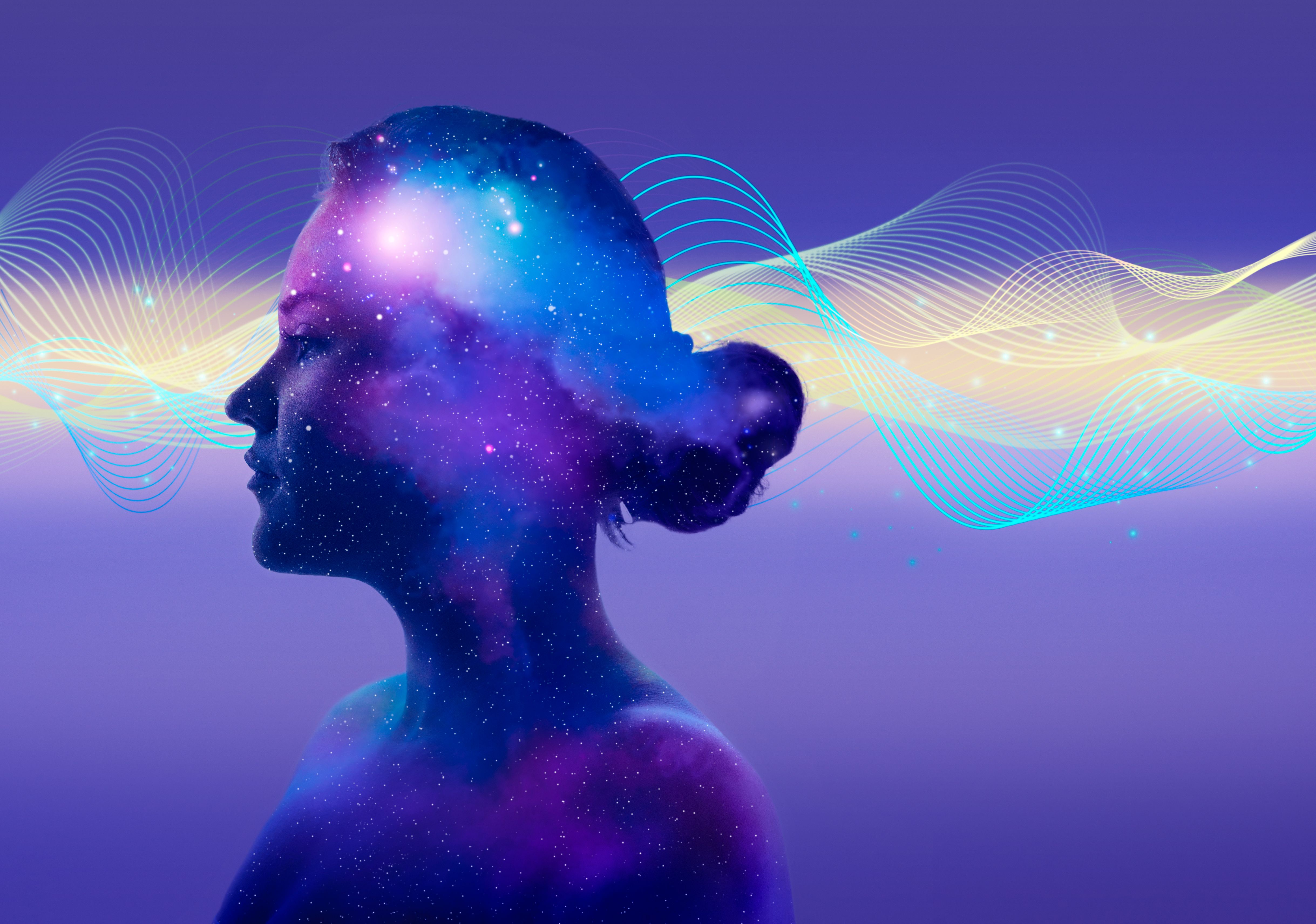
One of the key ways meditation benefits mental health is through its impact on the brain. Studies using MRI scans have revealed that meditation can alter the brain's structure and function. Regular practice increases the thickness of the prefrontal cortex, which is responsible for higher-order brain functions such as awareness, concentration, and decision-making.
Furthermore, meditation is known to decrease the size of the amygdala, the part of the brain associated with stress and anxiety. This change is linked to a reduction in stress responses and improved emotional regulation.
Types of Meditation Practices
There are several forms of meditation, each offering unique benefits. Some of the most popular types include:
- Mindfulness Meditation: Focuses on being present in the moment and observing thoughts without judgment.
- Transcendental Meditation: Involves repeating a mantra to settle the mind into a state of profound rest.
- Guided Visualization: Uses mental imagery to promote relaxation and focus.
Choosing the right type of meditation can depend on individual preferences and mental health goals.
Integrating Meditation into Daily Life
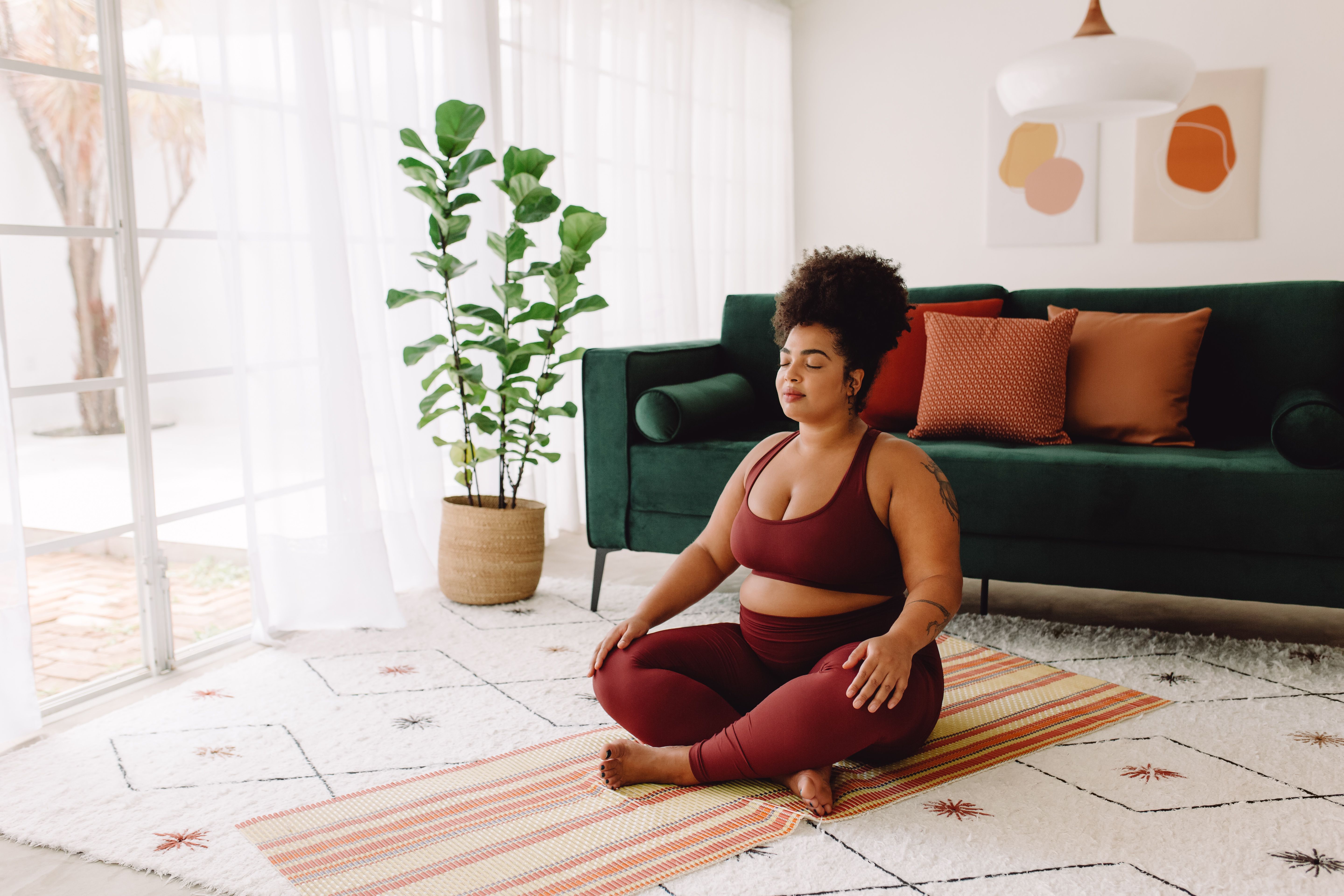
Incorporating meditation into your daily routine doesn't require a significant time commitment. Even a few minutes a day can make a difference. Here are some tips to get started:
- Start small, with just 5-10 minutes a day.
- Create a dedicated space free from distractions.
- Use apps or online resources for guided sessions.
Consistency is key, and over time, meditation can become a rewarding part of your daily life.
Testimonials from Experts
Many mental health professionals advocate for meditation as a complementary practice. Dr. Jane Smith, a psychologist, highlights that "meditation provides individuals with essential tools to manage stress and anxiety, promoting overall mental wellness."
Similarly, wellness coach John Doe emphasizes that "incorporating meditation can significantly enhance one's ability to cope with life's challenges."

Conclusion: Embrace the Benefits
Meditation offers numerous benefits for mental health, from reducing stress and anxiety to improving focus and emotional regulation. By understanding its impact and integrating it into daily life, individuals can take proactive steps toward enhancing their mental well-being.
Whether you're new to meditation or looking to deepen your practice, the potential for positive change is vast. Embrace the journey and discover the profound impact meditation can have on your mental health.