Exploring Popular Holistic Healing Methods


Introduction to Holistic Healing
Holistic healing is an approach that focuses on treating the whole person rather than just the symptoms of a disease. By addressing the mind, body, and spirit, holistic methods aim to promote overall well-being and balance. These practices have been used for centuries and continue to gain popularity in modern times.
As people seek alternatives to conventional medicine, holistic healing offers a path to natural health and wellness. Whether it's through ancient practices or modern adaptations, these methods provide a comprehensive way to enhance quality of life.
Acupuncture: A Needle to Wellness
Acupuncture is a traditional Chinese medicine practice that involves inserting thin needles into specific points on the body. It's believed to balance the flow of energy, or "qi," and stimulate the body's natural healing processes. Acupuncture is commonly used to relieve pain, reduce stress, and improve overall health.
Many studies have highlighted the effectiveness of acupuncture in treating various conditions, from chronic pain to migraines. Its growing acceptance in the medical community has made it a popular choice for those seeking holistic treatments.
Herbal Medicine: Nature’s Pharmacy
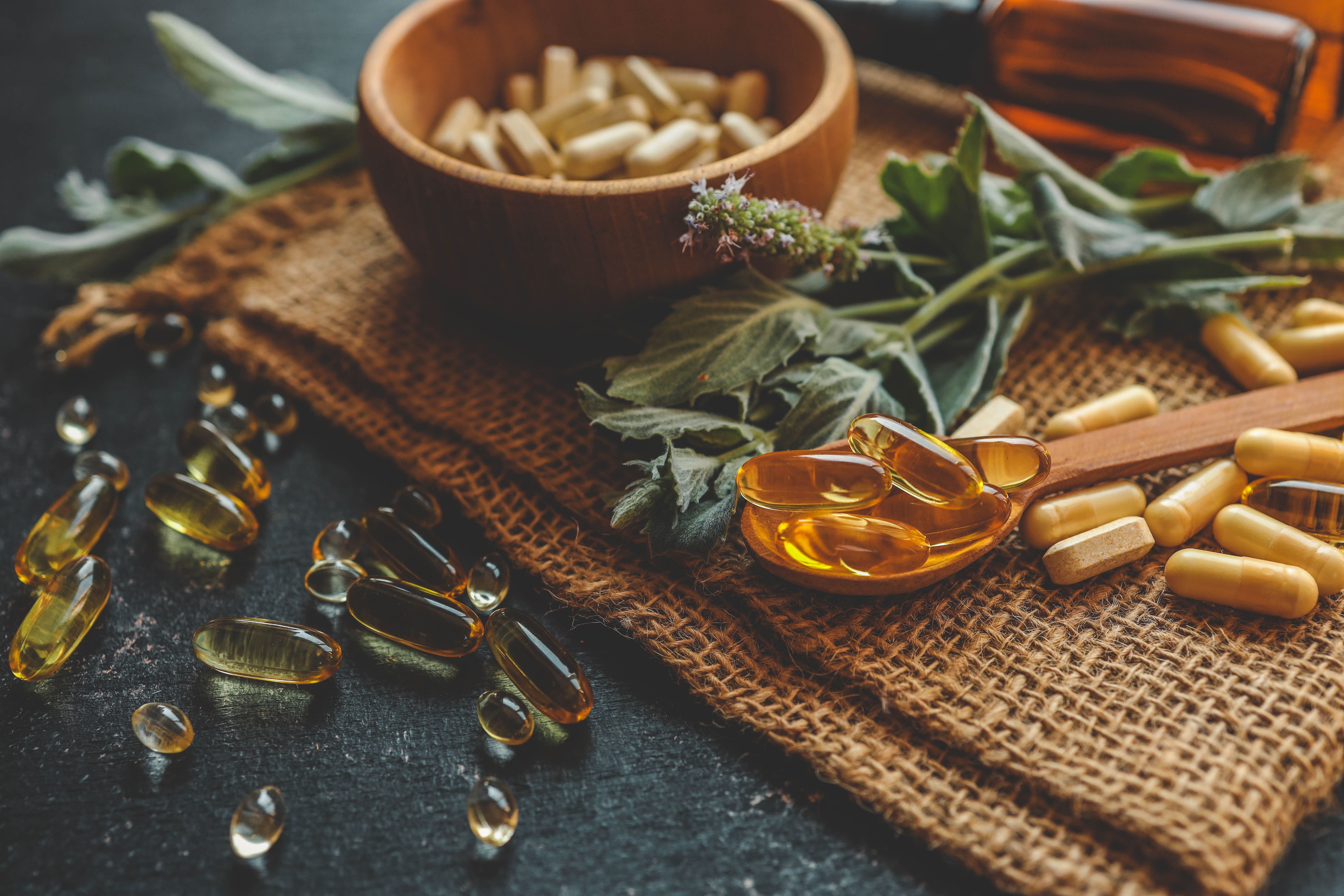
Herbal medicine utilizes plants and their extracts to promote health and treat ailments. This practice dates back thousands of years and remains a cornerstone of holistic healing. Herbs like ginseng, echinacea, and turmeric are widely used for their therapeutic properties.
One of the advantages of herbal medicine is its ability to support the body's natural functions. Many people turn to herbs for their gentle, yet effective, healing capabilities. However, it's essential to consult with a qualified practitioner to ensure safe and appropriate use.
Yoga and Meditation: Mindful Healing
Yoga and meditation are practices that focus on the connection between the mind and body. Yoga involves physical postures, breathing exercises, and meditation techniques to improve flexibility, strength, and mental clarity. Meditation, on the other hand, centers on mindfulness and relaxation.
These practices have been shown to reduce stress, enhance mental focus, and promote emotional well-being. Incorporating yoga and meditation into daily life can lead to significant improvements in overall health and happiness.
Reiki: Energy Healing
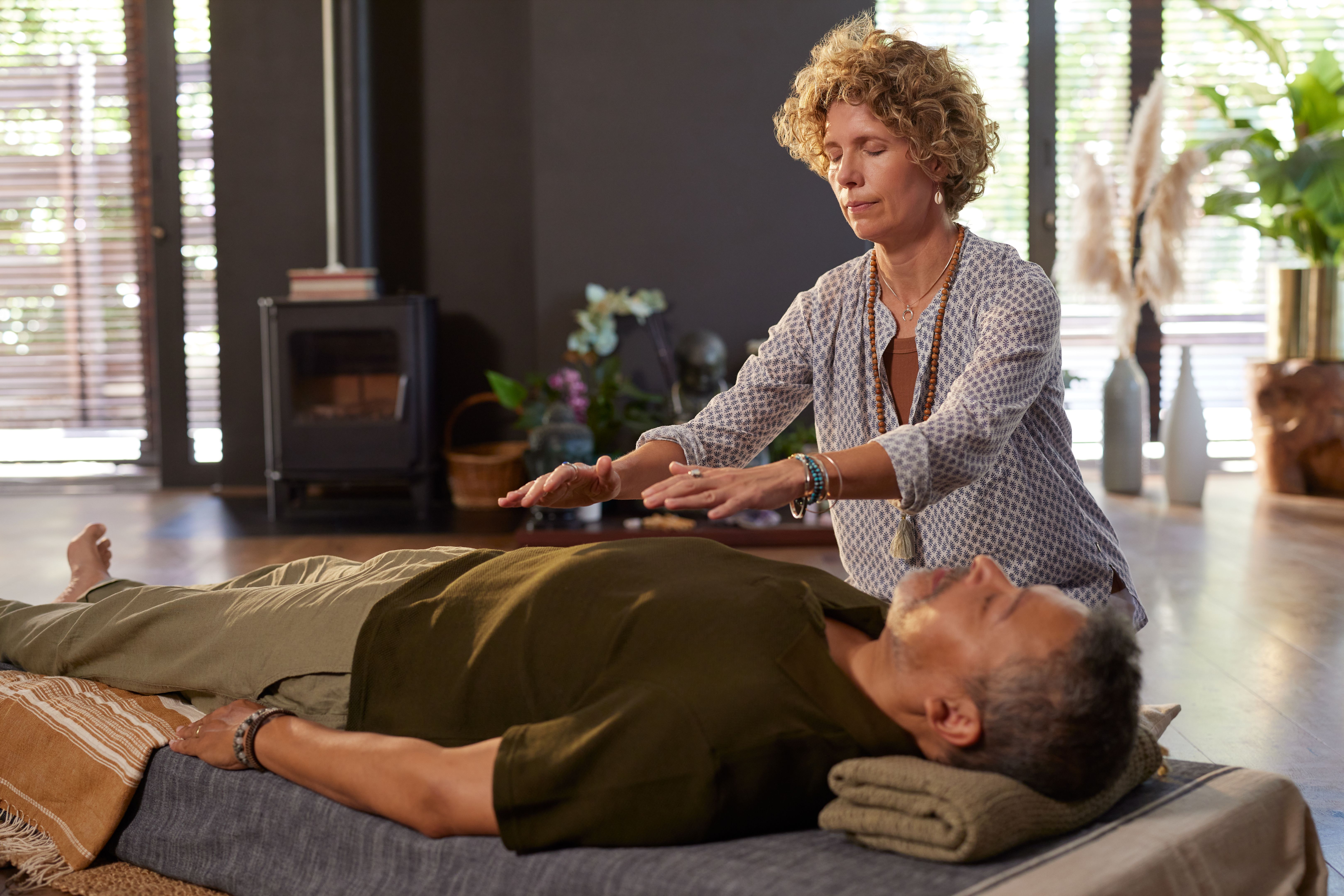
Reiki is a Japanese healing technique that involves the transfer of energy through the hands. Practitioners believe that this energy can help reduce stress, promote relaxation, and support the body's natural healing processes. Reiki sessions are often described as calming and rejuvenating experiences.
Reiki has gained popularity as a complementary therapy, and many people report feeling more balanced and centered after sessions. It's a gentle, non-invasive practice that complements other holistic methods.
Aromatherapy: Healing Through Scent
Aromatherapy uses essential oils extracted from plants to enhance physical and emotional well-being. These oils can be inhaled, applied to the skin, or used in baths to promote relaxation and healing. Popular essential oils include lavender, peppermint, and eucalyptus.
The benefits of aromatherapy are numerous, including stress relief, improved sleep, and enhanced mood. It's a versatile practice that can easily be incorporated into daily routines.
Conclusion: Embracing Holistic Healing
Exploring popular holistic healing methods can open the door to a healthier, more balanced life. By embracing these practices, individuals can take an active role in their well-being and discover new ways to nurture their body, mind, and spirit.
As interest in holistic health continues to grow, more people are recognizing the value of these time-honored methods. Whether you're new to holistic healing or a seasoned practitioner, there's always something new to learn and experience.