Exploring Popular Holistic Healing Methods: Insights and Innovations


The Rise of Holistic Healing
In recent years, there has been a growing interest in holistic healing methods. These approaches focus on treating the whole person—mind, body, and spirit—rather than just addressing symptoms. The popularity of holistic healing can be attributed to its emphasis on natural treatments and personalized care.
Holistic healing practices are diverse, ranging from traditional therapies to modern innovations. As people seek alternatives to conventional medicine, understanding these methods becomes crucial. This exploration will guide you through some of the most popular holistic healing approaches and the innovations driving them forward.
Traditional Chinese Medicine
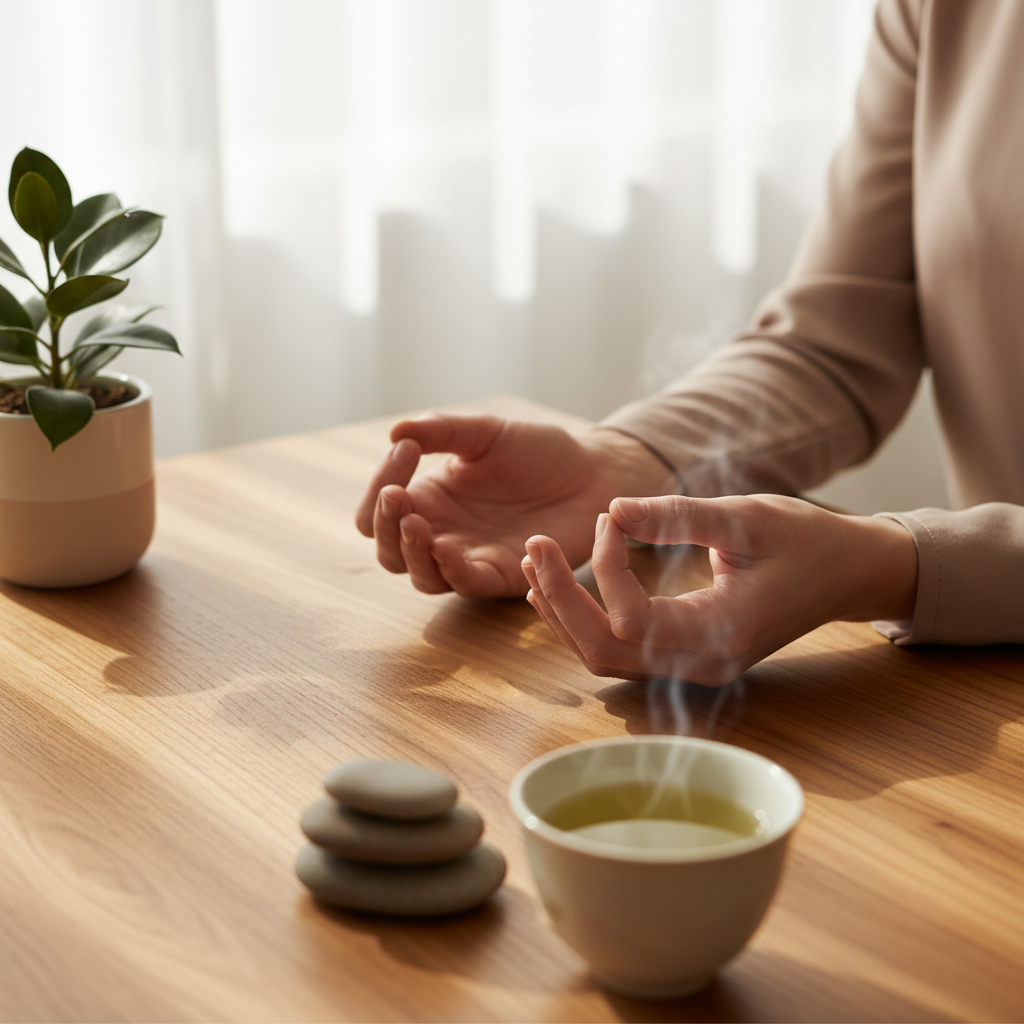
Traditional Chinese Medicine (TCM) has been practiced for thousands of years and remains a cornerstone of holistic healing. TCM includes a variety of practices such as acupuncture, herbal medicine, and tai chi. These methods aim to restore balance and harmony within the body by addressing the root cause of health issues.
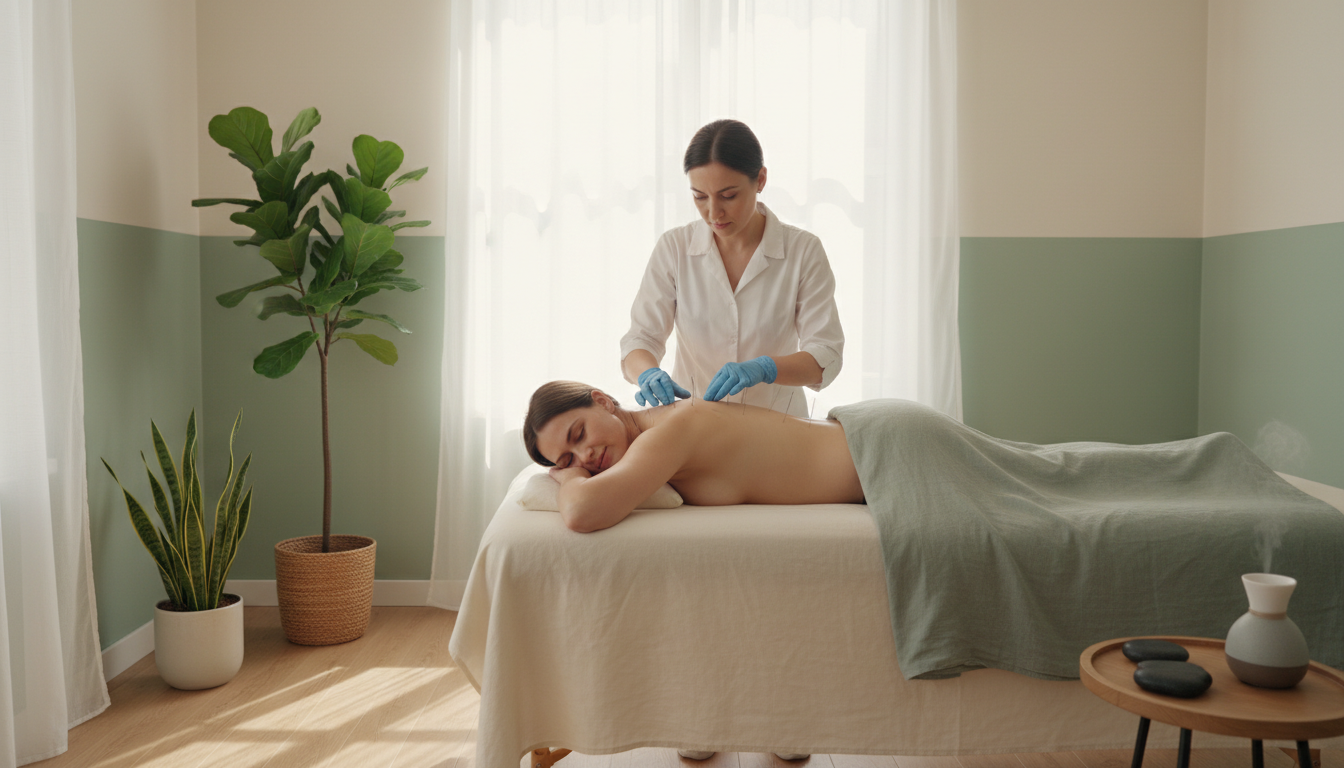
Acupuncture is particularly popular, using fine needles to stimulate specific points on the body, enhancing energy flow and promoting healing. Meanwhile, herbal medicine uses natural ingredients to treat various ailments, creating a personalized approach to wellness.
Ayurveda: The Science of Life
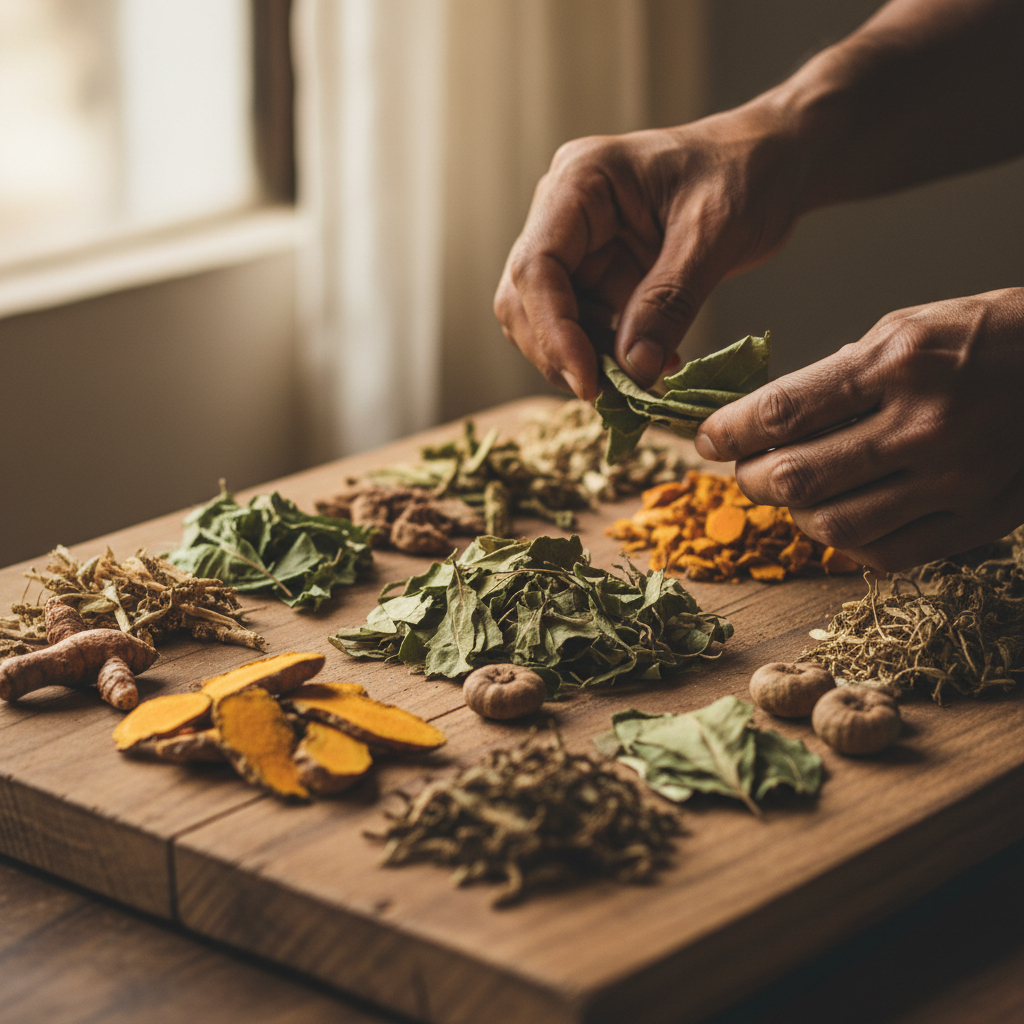
Ayurveda, originating from India, is one of the world’s oldest holistic healing systems. It focuses on maintaining balance in the body through diet, lifestyle, and natural therapies. Ayurveda categorizes individuals into three doshas: Vata, Pitta, and Kapha, each requiring different treatments and dietary considerations.
Ayurvedic practices often include yoga, meditation, and the use of herbal remedies. These techniques aim to promote physical and mental well-being, helping people to live harmoniously with their environment.
Reiki: Energy Healing
Reiki is a Japanese technique for stress reduction and relaxation that also promotes healing. It is based on the idea that an unseen life force energy flows through us and is what causes us to be alive. If one's life force energy is low, then we are more likely to get sick or feel stress.
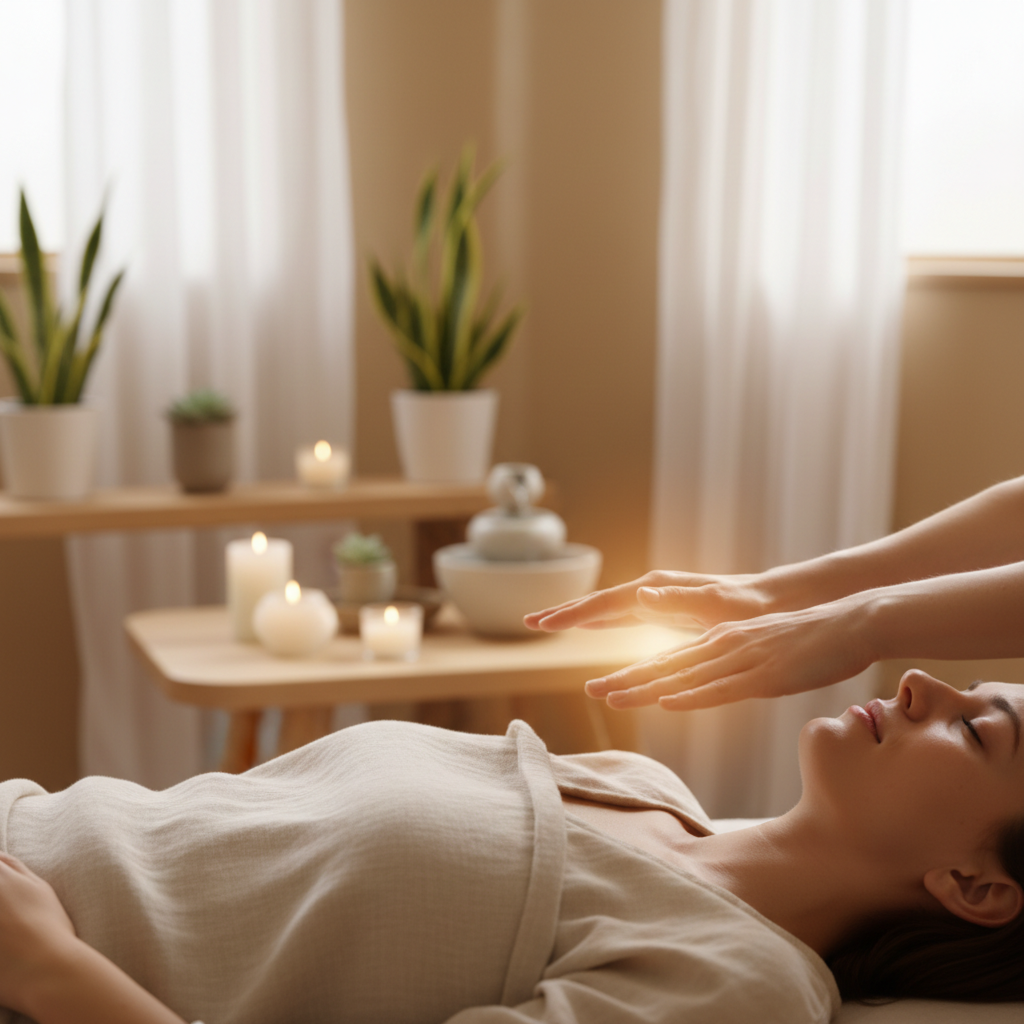
During a Reiki session, practitioners use their hands to channel energy to the recipient, enhancing the body’s natural ability to heal itself. This non-invasive method is gaining traction as a complementary therapy in many healthcare settings.
Innovations in Holistic Healing
The integration of technology with holistic practices is fostering new innovations. Digital platforms are providing access to holistic therapies from the comfort of home, including virtual yoga classes, meditation apps, and online consultations with holistic practitioners.
Furthermore, advancements in wearable technology are enabling individuals to monitor their health metrics and tailor their holistic practices accordingly. These innovations are making holistic healing more accessible and effective for a broader audience.
As the interest in holistic healing continues to grow, exploring these methods and their modern adaptations can offer valuable insights into achieving a balanced and healthy lifestyle.