How to Create a Mental Health Routine That Works for You


Understanding Your Personal Needs
Creating a mental health routine starts with understanding your personal needs. Everyone's mental health journey is unique, and it's crucial to tailor your routine to what suits you best. Begin by assessing your current mental health state. Consider what triggers stress or anxiety and what activities bring you peace and joy.

Identify Key Stressors
Identifying key stressors in your life can help you create a routine that effectively addresses them. Make a list of situations, people, or tasks that cause you stress. Once identified, you can develop strategies to manage or avoid these triggers as part of your routine.
Incorporate Mindfulness Practices
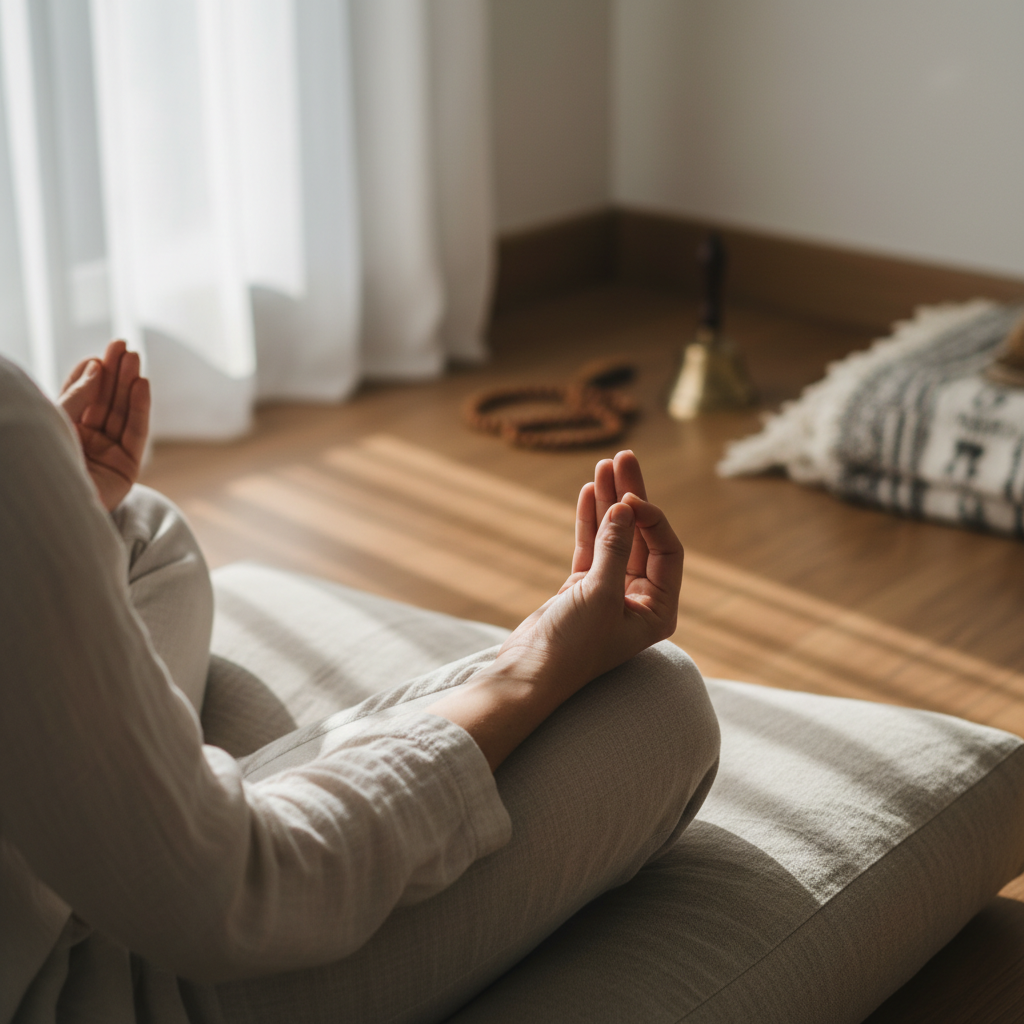
Mindfulness practices like meditation, yoga, or deep breathing exercises can significantly improve mental well-being. These activities help you stay grounded and present, reducing anxiety and stress. Consider setting aside 10-15 minutes each day to engage in these practices.
Start Small
When incorporating new practices, it's important to start small. Begin with short meditation sessions and gradually increase the duration as you become more comfortable. Consistency is key, so focus on integrating these practices into your daily routine.
Set Realistic Goals
Setting realistic goals is essential for a successful mental health routine. Unrealistic goals can lead to disappointment and increased stress. Instead, focus on small, achievable objectives that contribute to your overall well-being.
Track Your Progress
Keeping track of your progress can motivate you to maintain your routine. Use a journal or a digital app to record your daily activities and note how they affect your mood and mental state. Reflect on this data regularly to identify patterns and make necessary adjustments.

Integrate Physical Activity
Physical activity is a powerful tool for enhancing mental health. Regular exercise releases endorphins, which act as natural mood lifters. Find an activity you enjoy, whether it's walking, dancing, or cycling, and incorporate it into your routine.
Balance and Flexibility
While structure is important, maintaining balance and flexibility is equally crucial. Life can be unpredictable, so allow room for adjustments in your routine. Be kind to yourself and recognize that it’s okay to deviate from your plan when necessary.
Seek Support
Building a mental health routine doesn’t mean you have to do it alone. Seek support from friends, family, or mental health professionals. Sharing your journey with others can provide additional motivation and accountability.
Utilize Resources
There are numerous resources available to support your mental health journey. Consider apps, online communities, or local support groups that focus on mental well-being. These can offer guidance, encouragement, and a sense of community.