Meditation Trends: Innovative Practices for Modern Living


Introduction to Modern Meditation
In today's fast-paced world, the practice of meditation is evolving to accommodate modern lifestyles. While traditional techniques remain popular, innovative approaches are gaining traction, offering fresh ways to achieve mindfulness and inner peace. From digital apps to immersive experiences, these new trends are reshaping how we meditate.
As more people seek balance and stress relief, meditation practices are adapting, becoming more accessible and varied. This evolution is making it easier for individuals from all walks of life to incorporate meditation into their daily routines.
Tech-Driven Meditation
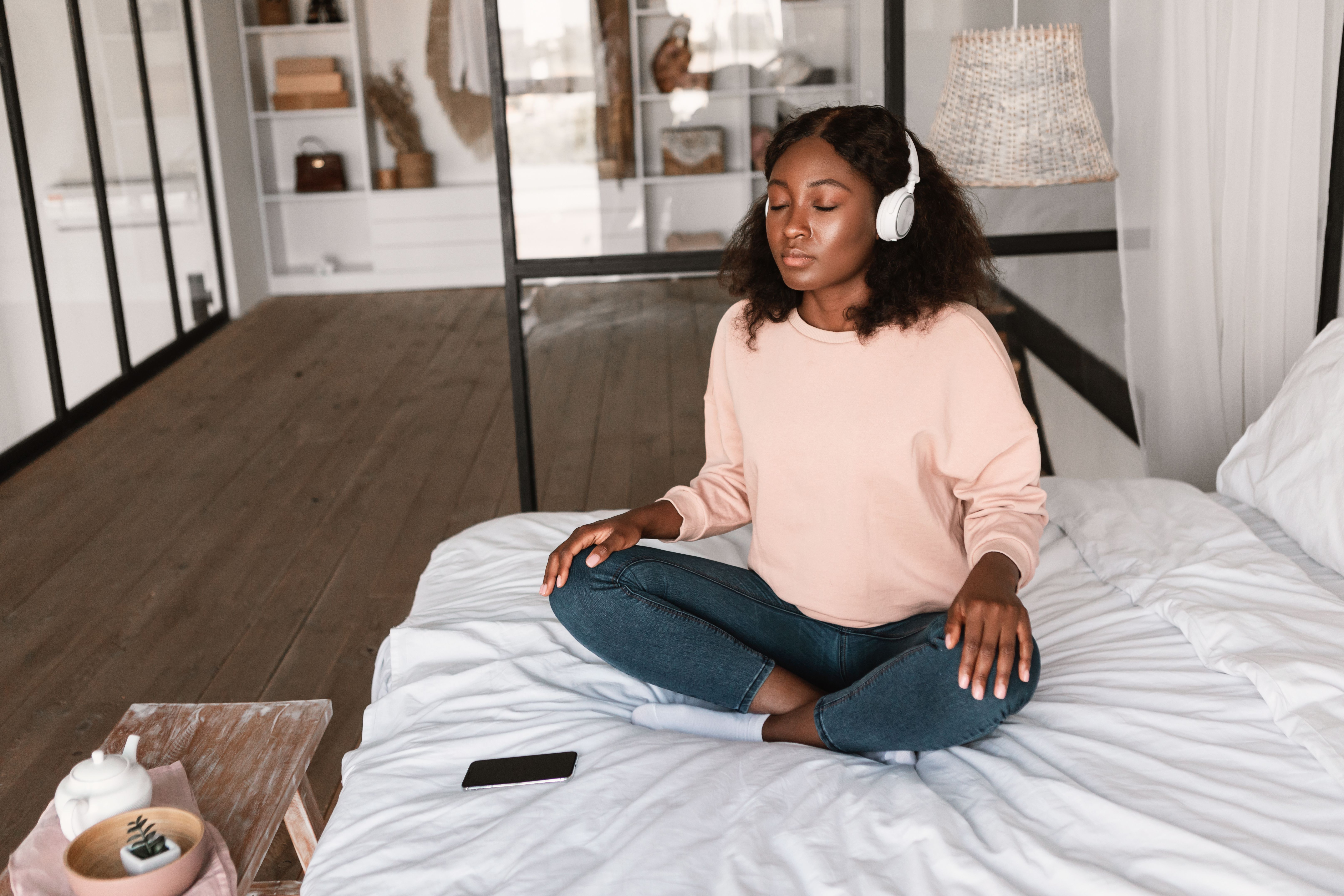
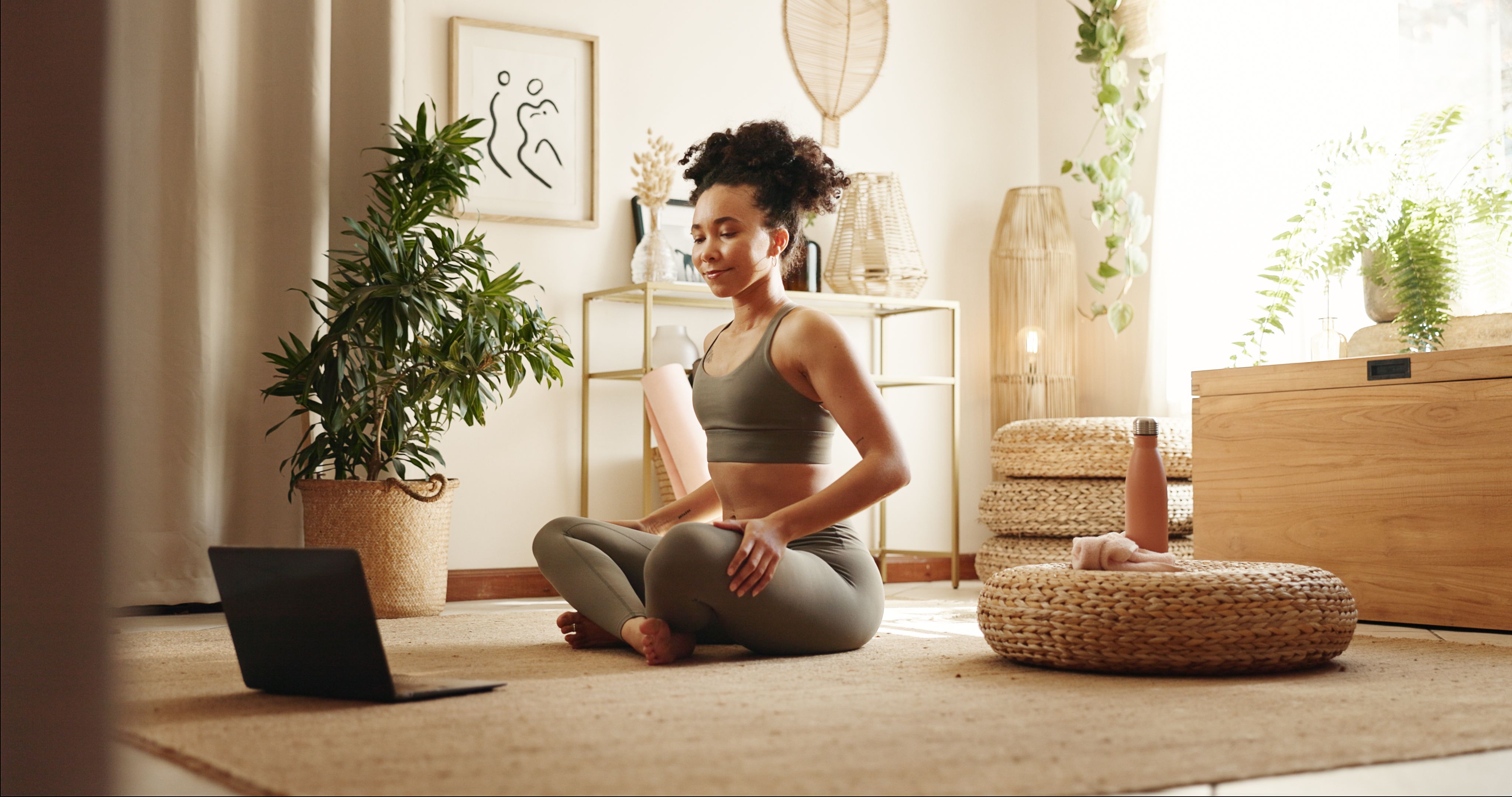
Technology is playing a significant role in the modernization of meditation. Apps like Headspace and Calm provide guided meditations that are perfect for beginners and seasoned practitioners alike. These apps offer a wide range of sessions, from quick 5-minute breathing exercises to in-depth mindfulness courses.
Virtual reality (VR) is another emerging trend, offering users an immersive meditation experience. By creating a serene virtual environment, VR meditation helps users disconnect from their surroundings and focus solely on their practice.
Sound and Sensory Meditation
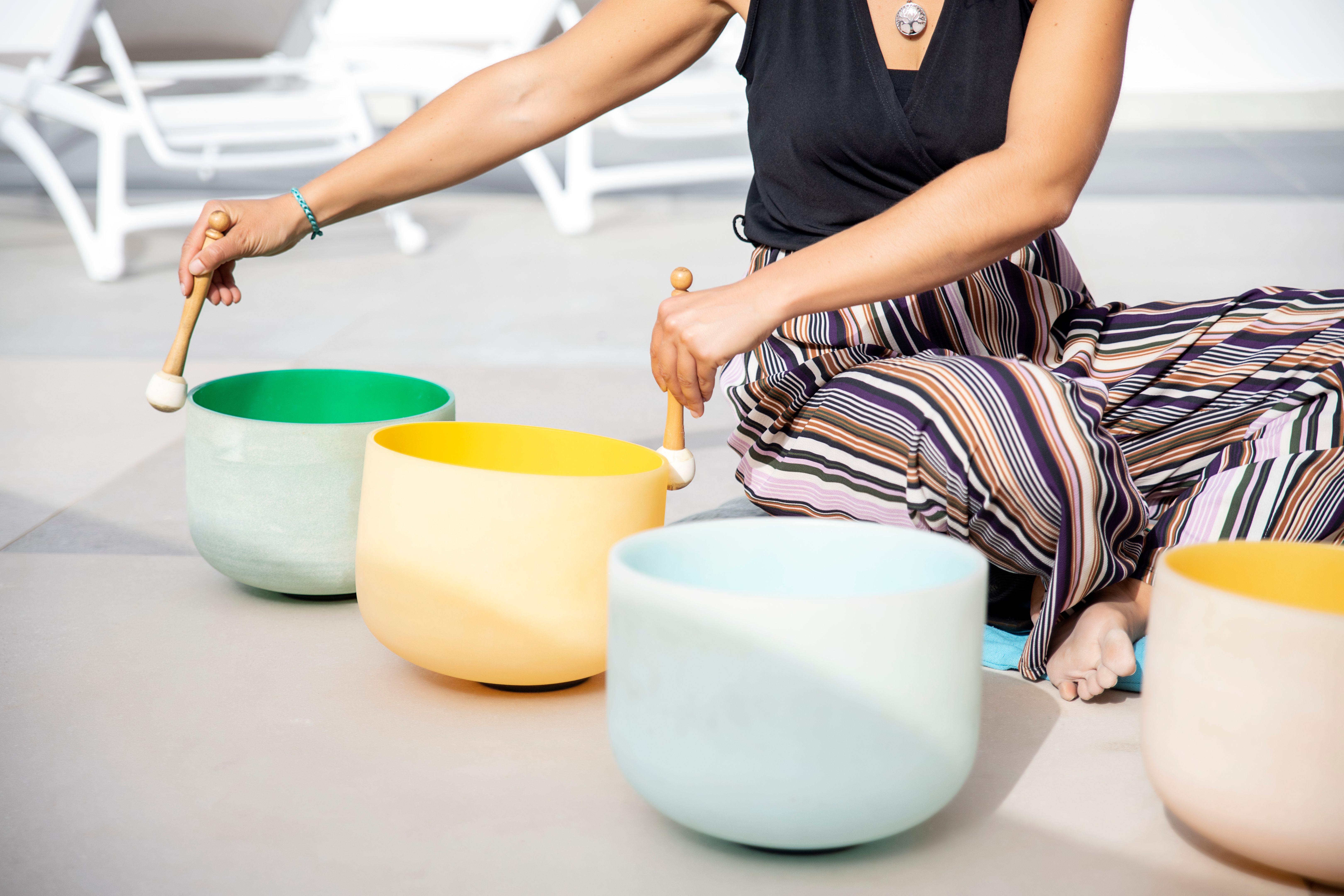
Sound meditation, including practices like sound baths, is becoming increasingly popular. This method uses sound waves from instruments like gongs, singing bowls, and chimes to induce a deep state of relaxation. The vibrations help synchronize brainwaves, promoting a meditative state.
In addition to sound, sensory meditation practices are gaining attention. These involve engaging multiple senses, such as touch and smell, through the use of essential oils or tactile objects, to enhance the meditative experience.
Group and Social Meditation
Community-focused meditation sessions are on the rise, offering opportunities for social interaction and shared experiences. Group meditation can create a sense of belonging and collective energy, enhancing the practice's effectiveness.
Social meditation is not limited to physical gatherings. Online platforms facilitate virtual group sessions, allowing participants to connect from anywhere in the world. This accessibility broadens the scope of meditation communities and fosters inclusivity.
Conclusion: Embracing Innovation
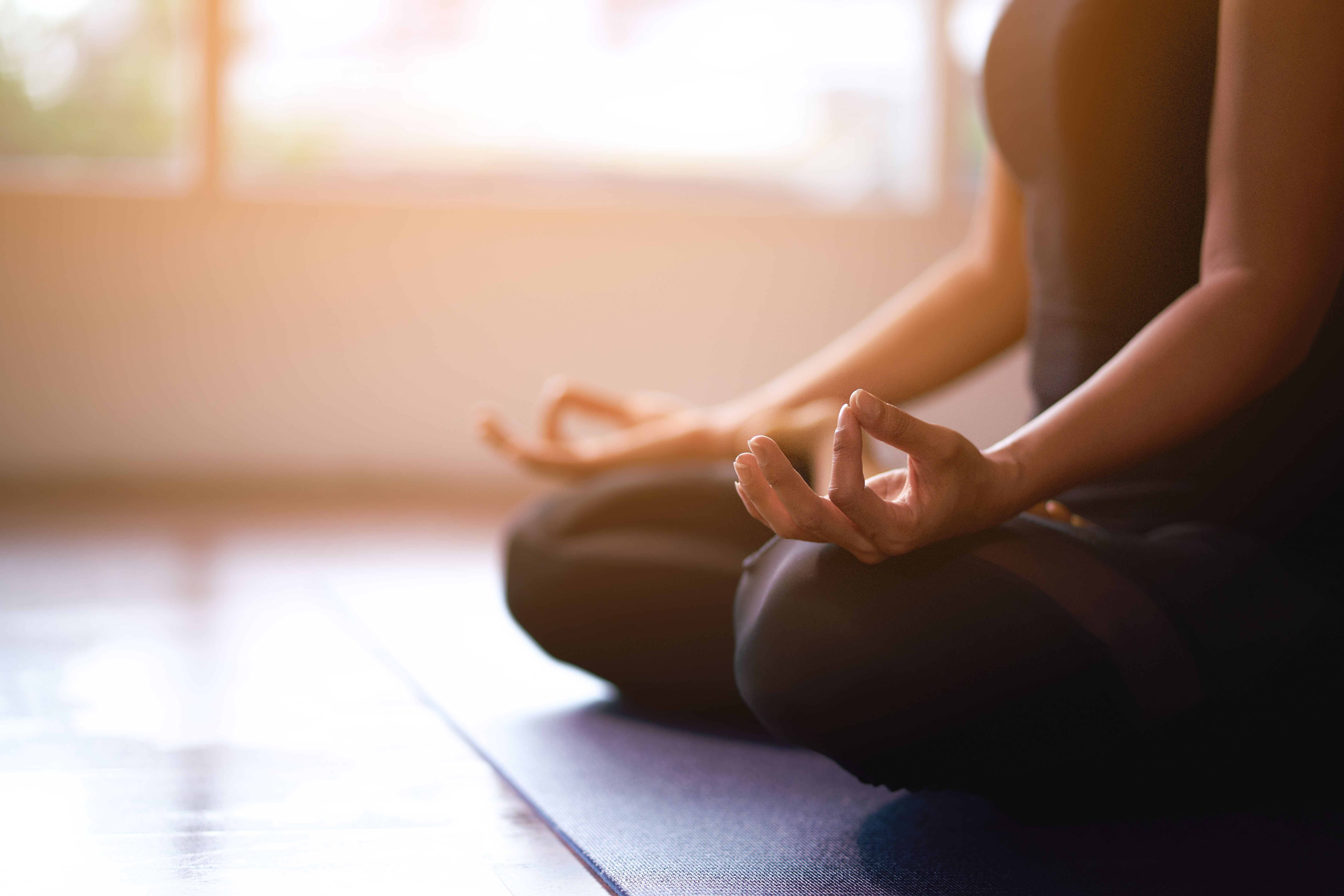
As meditation continues to evolve, these innovative practices are making it easier for individuals to find a method that suits their lifestyle and preferences. Whether through technology, sensory engagement, or social interaction, modern meditation offers diverse paths to mindfulness.
By embracing these trends, practitioners can enjoy the benefits of meditation in ways that align with their modern lives, ultimately leading to enhanced well-being and personal growth.