Meditation vs. Other Relaxation Techniques: Finding What Works for You


Understanding Meditation
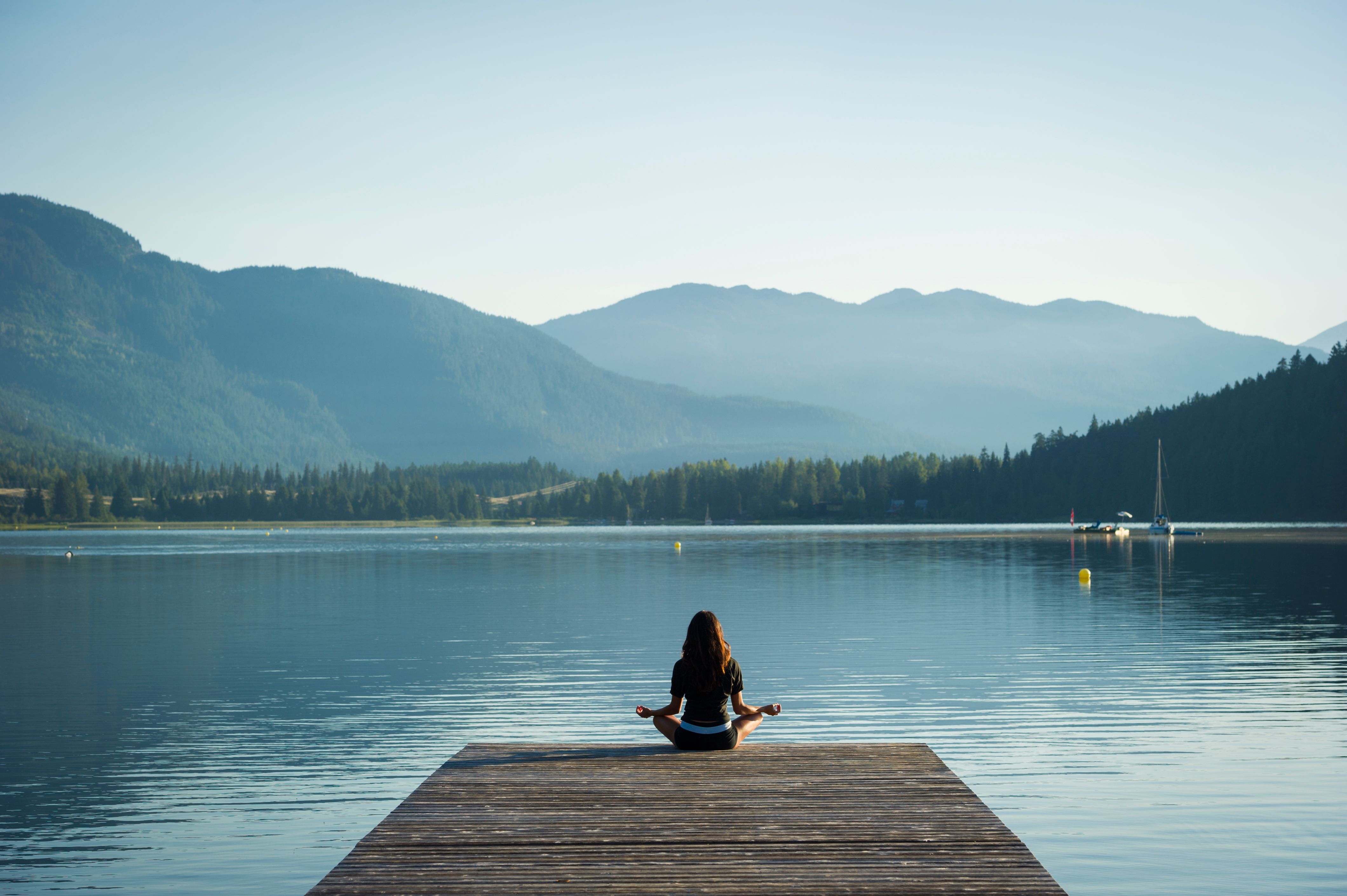
Meditation has long been hailed as a powerful tool for relaxation and mental clarity. By focusing the mind on a particular object, thought, or activity, individuals can achieve a mentally clear and emotionally calm state. Meditation practices vary widely, from mindfulness and loving-kindness to transcendental meditation, each offering unique benefits.
The Benefits of Meditation
Regular meditation can lead to improved focus, reduced stress, and enhanced emotional health. Many people find that meditating helps them become more aware of their thoughts and emotions, allowing for better control over how they respond to life's challenges. Studies suggest that meditation can also improve sleep quality and boost the immune system.
Exploring Other Relaxation Techniques
While meditation is a popular choice, there are numerous other relaxation techniques to consider. Techniques such as deep breathing, progressive muscle relaxation, and guided imagery can be equally effective in helping individuals unwind and reduce stress.
Deep Breathing
Deep breathing is a simple yet powerful relaxation technique that can be practiced anywhere. By taking slow, deep breaths, individuals can activate the body's relaxation response, lowering heart rate and blood pressure. This technique is particularly useful in moments of acute stress or anxiety.
Progressive Muscle Relaxation
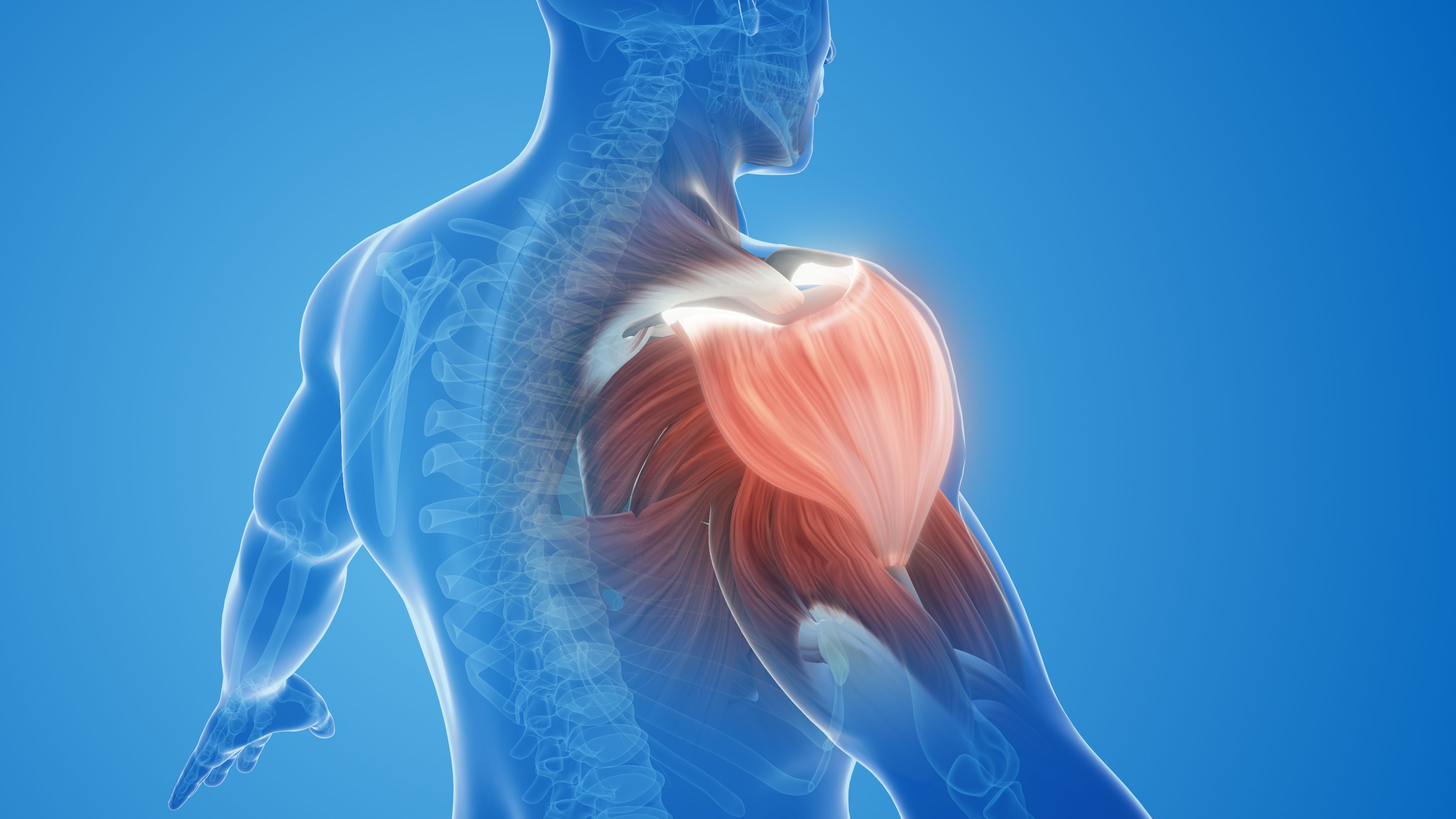
Progressive muscle relaxation involves tensing and then slowly releasing each muscle group in the body. This method helps to relieve physical tension and promote a sense of calm. It's often used to help with insomnia and anxiety.
Guided Imagery
Guided imagery involves focusing on positive, calming images or scenarios. This technique can be facilitated by a therapist or through audio recordings. It helps distract the mind from stressors and fosters relaxation by engaging the imagination.
Finding What Works for You
With so many options available, it's essential to find a relaxation method that resonates with you. Consider the following steps:
- Try different techniques: Experiment with meditation, deep breathing, or guided imagery to see what feels most comfortable.
- Assess your needs: Identify whether you're seeking mental clarity, stress reduction, or physical relaxation.
- Combine methods: Sometimes, a combination of techniques offers the best results.
Conclusion
Relaxation is a personal journey, and what works for one person may not work for another. Whether you choose meditation or another relaxation technique, the key is to find a practice that aligns with your lifestyle and personal preferences. Consistent practice will lead to a more relaxed and balanced life.